
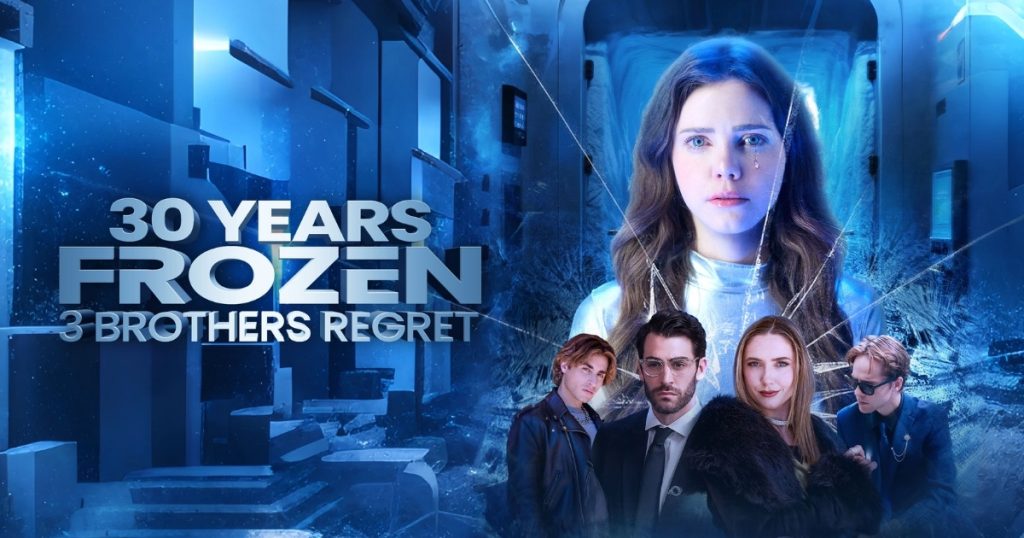
30 Years Frozen 3 Brothers Regret ending starts with Selene, a girl mistreated in a wealthy family, choosing cryogenic sleep and disappearing for 30 years. After she’s gone, the three brothers realize they trusted the wrong person and regret everything too late.
In the ending, Selene wakes up but doesn’t recognize them, making the finale sad and open-ended with no instant closure. Read the full article below on ShortFlix for the complete breakdown.
What is 30 Years Frozen, 3 Brothers Regret about?
30 Years Frozen, 3 Brothers Regret is a fast-paced vertical short drama built on emotional pressure. It mixes a wealthy-family cruelty setup with an extreme decision and the kind of regret that arrives long after the damage is done.
The story centers on Selene, a girl living inside a rich household that never treats her like she belongs. Another girl is protected and trusted as the “real” daughter. Selene becomes the easy target. She is blamed, dismissed, and pushed aside until the pain feels permanent.
This is not a one-time betrayal. It’s a repeated pattern. Selene is treated like the problem even when she is the one being harmed. Over time, the family dynamic turns into a system. The system depends on Selene staying quiet and accepting her role.
When Selene finally reaches her limit, she makes a decision that cannot be undone. She enters a cryogenic sleep experiment and becomes frozen for 30 years. That is the turning point that changes the direction of the story.
From there, the focus shifts to the three brothers. After Selene disappears, they begin to revisit the past. They notice inconsistencies. They start connecting dots that should have been obvious earlier. They realize they trusted the wrong person, and they failed the one person who deserved protection.
The drama becomes a slow burn of guilt and urgency. The brothers want to fix what they broke. The problem is that time does not reverse itself just because someone feels sorry.
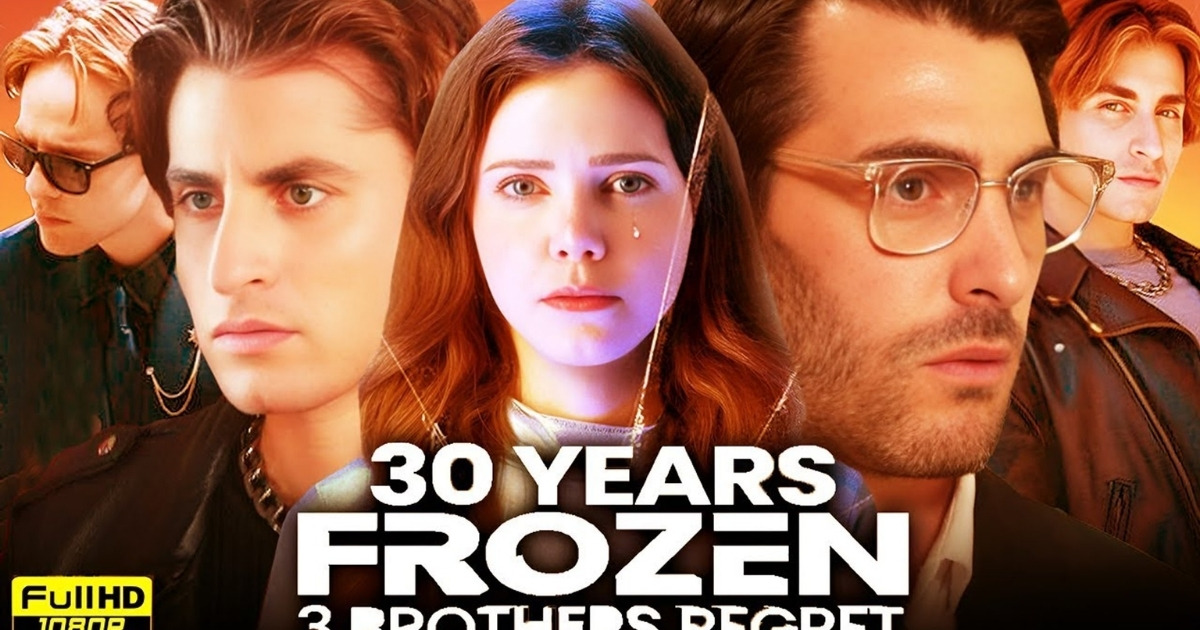
30 Years Frozen 3 Brothers Regret ending: The final moment explained
The 30 years frozen 3 brothers regret ending plays out in a single, painful beat.
Selene wakes up after 30 years. The brothers rush to her, overwhelmed and emotional. They expect her to remember them. They expect this moment to be the beginning of forgiveness.
But Selene looks at them and doesn’t recognize them.
That is the ending. The show stops at the moment of maximum emotional impact. It does not extend the scene to offer comfort. It does not show Selene slowly remembering. It does not show a tearful hug. It cuts the story at the point that proves the theme.
This is why people describe the finale as “brutal.” The brothers waited too long to understand. When understanding arrives, it does not unlock the happy ending they imagined.
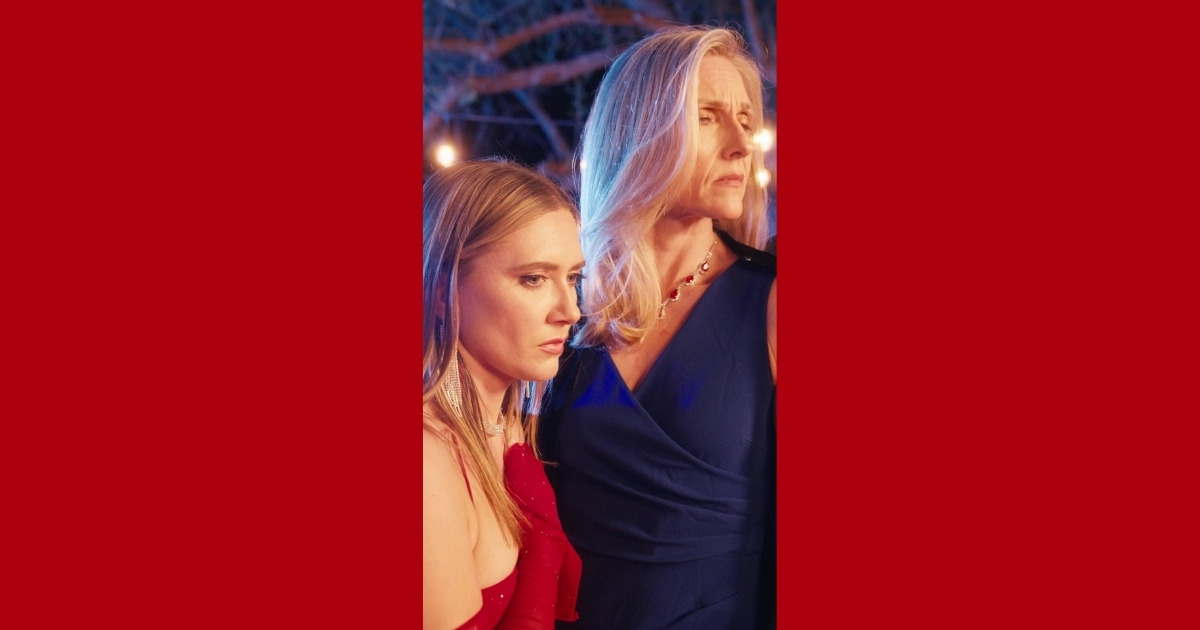
Is the ending happy, sad, or open-ended?
The ending is best described as sad and open-ended.
It feels sad because the story refuses a warm payoff. Viewers often expect regret dramas to end with:
- a complete apology
- an emotional reunion
- a clear sign that everything will be repaired
This series refuses that structure. The brothers may be remorseful, but Selene does not instantly return to them.
It is open-ended because the story does not confirm what happens after that final look. Selene might regain her memories later. She might never regain them. She might remember and still choose distance. The show doesn’t answer those questions.
The only confirmed fact is what happens in the last scene: Selene wakes up and does not recognize them.
If there is a “positive” reading, it belongs to Selene. She wakes up with a chance to rebuild life on her own terms. The ending centers her future rather than the brothers’ desire to be forgiven.
The emotional impact also highlights how strongly the 30 Years Frozen 3 Brothers Regret cast carried the story. Performances from the actors playing Selene and the three brothers make the final scene feel even more painful, which is why viewers often revisit the cast details while discussing the ending.
Why the ending is designed to hurt
The 30 years frozen 3 brothers regret ending works because it delivers its message without extra explanation.
A longer finale could have included a speech about guilt and redemption. This one doesn’t need it. The show uses one moment to say everything:
- regret can be real
- guilt can be intense
- but late regret does not erase old harm
The ending is not about punishing the brothers in a dramatic way. It is about denying them the one thing they want most: immediate emotional closure.
That choice is intentional. Many short dramas reward characters the moment they “learn the lesson.” This story suggests a harder truth. Learning the lesson late does not guarantee a reward.
The identity twist behind the brothers’ biggest mistake
A major engine of the series is the identity twist.
Selene is treated as the “wrong” daughter while another girl is trusted as the “real” one. That belief becomes the justification for cruelty. The brothers accept a story that makes Selene easy to distrust.
As the plot unfolds, clues reveal that Selene wasn’t simply ignored. She was placed into a position where she would always lose. She is blamed as a habit. Her voice is treated as inconvenience. Her suffering is treated as exaggeration.
This twist is what turns the brothers’ regret into something heavier than “we were harsh.” They don’t just realize they were mean. They realize they were wrong about who deserved loyalty.
That is why the ending lands the way it does. Their regret is not a clean apology moment. It is a late realization that they built their identity as “protectors” on a lie.
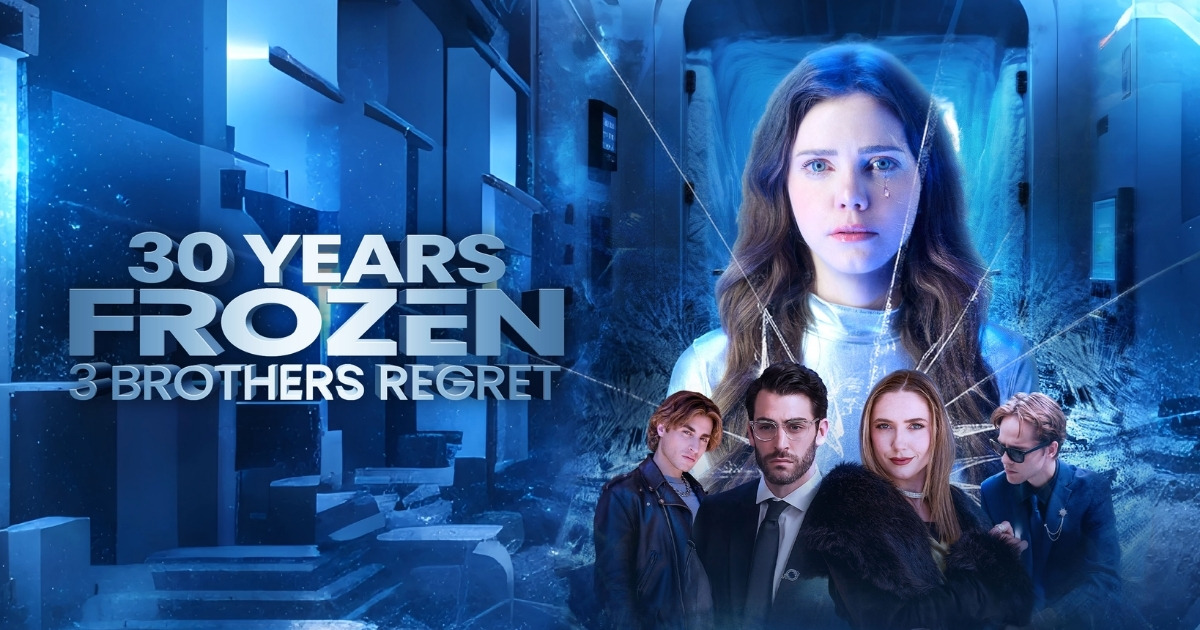
Selene’s cryogenic sleep: more than a dramatic hook
The cryogenic sleep plot sounds like high-concept drama. But in the story, it functions like a moral break.
Selene’s choice is irreversible. It signals that she is no longer negotiating with the family system. She does not choose a small rebellion. She chooses disappearance.
That decision forces the brothers into a new role. They can’t keep judging her if she’s gone. They can’t control her choices if she’s frozen. The only thing left is reflection.
The 30-year gap also emphasizes consequence. Time passes. The brothers have years to feel guilt. But guilt does not automatically restore what was lost.
That is why the ending is so sharp. Selene wakes up alive, but the bond is not waiting for them on the other side.
The three brothers and the different ways regret can fail
Part of what makes the story effective is that the three brothers don’t feel identical. The regret is shared, but their failures have different shapes.
One brother represents authority without listening. He chooses what is “true” based on what keeps the family stable. That stability becomes more important than Selene’s wellbeing.
Another brother represents quiet complicity. He may notice cracks earlier, but he doesn’t act strongly enough. He waits. He hesitates. That hesitation becomes its own kind of betrayal.
The third brother represents late clarity. He starts to see the truth, but truth arriving late doesn’t undo the past. By the time he understands fully, Selene is already beyond reach.
Together, they form the point of the finale: you can regret the harm, but you can’t always undo the harm.
Why fans argue about this finale
The ending divides viewers because it clashes with what many people want from this genre.
Many regret dramas sell a fantasy:
- the truth comes out
- the wronged person is restored
- the family begs
- forgiveness happens
- everyone gets closure
This show chooses a different reward system. It prioritizes consequence over comfort. It says some damage leaves a permanent imprint.
That’s why some viewers call it unfair. They wanted the brothers to “earn” a second chance. But the story argues that second chances are not something you can demand. They are something the harmed person may or may not give.
That same emotional intensity is also why related searches like Tiffany Alvord age rise after the finale, as viewers look up the actress behind Selene.
The ending does not say Selene will never forgive them. It simply refuses to show forgiveness as automatic.
How to interpret the final scene without overthinking it
A lot of viewers search 30 years frozen 3 brothers regret ending because they think they missed a final twist. They didn’t.
The finale is simple on purpose: Selene wakes up the brothers rush in she does not recognize them cut to end
The lack of extra scenes is the point. The show leaves you with a question instead of an answer:
What happens when you realize the truth after the person you hurt no longer sees you as family? That open question is why the ending stays in people’s heads.
FAQs
What happens at the end of 30 Years Frozen, 3 Brothers Regret?
In the 30 years frozen 3 brothers regret ending, Selene wakes up after 30 years and doesn’t recognize the three brothers.
Is the ending sad or open-ended?
It is both. It feels sad because there’s no reunion, and it’s open-ended because the story doesn’t show what happens after Selene wakes up.
Do the brothers get a full redemption arc?
They reach regret and realize the truth, but the ending avoids a complete redemption payoff.
Does Selene get her life back?
She wakes up alive and free from the old household dynamic, but the story doesn’t confirm her next steps.
Why does the show end so suddenly?
Because it wants the final moment to carry the theme: regret that comes too late doesn’t guarantee closure.
Conclusion
The 30 years frozen 3 brothers regret ending is memorable because it refuses to comfort the audience. Selene wakes up after 30 years, and the brothers finally face the consequence they can’t talk their way out of: she doesn’t recognize them. The ending stays sad and open-ended on purpose, because the story is not about instant forgiveness. It is about how late regret can still be real and still be too late.
Read the full article below, then explore more ending recaps and similar vertical short dramas on ShortFlix.